

Teens from Queen Creek group home believed to be victims of trafficking at 'The Blade', records say

Teen girls from Queen Creek facility trafficked at The Blade in Phoenix, records say
From Desert Lily Academy to "The Blade," a FOX 10 investigation reveals how some runaway reports at a local residential school are tied to sex trafficking. One trafficker was recently sentenced to 20 years for exploiting multiple girls from the academy.
QUEEN CREEK, Ariz. - The Department of Child Safety is tasked with protecting Arizona’s most vulnerable youth, but one location in Queen Creek has become a frequent site for missing persons calls and trafficking investigations.
By the numbers:
Since the Queen Creek Police Department’s inception in 2022, officers have responded to more than 2,000 calls for service at Canyon State Academy and Desert Lily Academy. The residential schools, which sit adjacent to one another, are owned by the Nevada-based company Rite of Passage under contract with DCS.
While Canyon State serves juvenile boys, Desert Lily serves girls. Data shows a spike in activity at both; by 2024, annual calls reached 430 at Canyon State and 306 at Desert Lily.
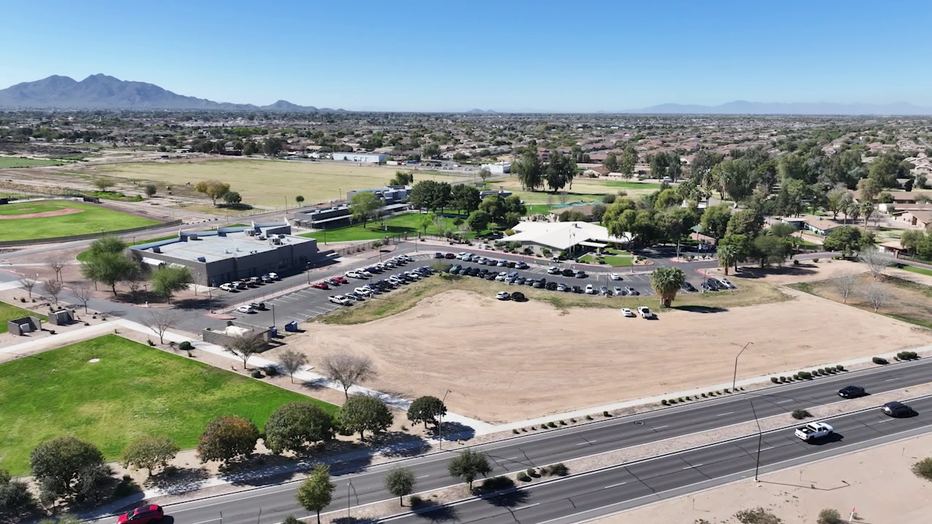
KSAZ
"Well, one thing to keep in mind, it's certainly a concentrated number of calls for service, but it's a broad spectrum of calls," Queen Creek Police Chief Randy Brice said when asked if the numbers were excessive.
However, missing persons reports remain a consistent concern. Between January 2024 and December 2025, police received 208 reports of missing boys at Canyon State and 119 of missing girls at Desert Lily. Combined, the campuses average one child going missing every two days during that time span.
PREVIOUS REPORT: Canyon State Academy addresses concerns after recent teen death, hundreds of calls for service

'He hit me so hard’: Police records reveal staff assaulting students at Queen Creek school
Punched, tackled & pinned to the ground. FOX 10 investigates cases of staff assaulting students at Canyon State Academy in the East Valley. We're taking a deep dive into the issues the Dept. of Child Safety is up against when looking into cases.
'They're high risk'
Local perspective:
Brice said some runaway cases have evolved into investigations involving exploitation. "I believe this was in 2022, we found the individual right before the trafficker was going to move them to a different state," he said.
That case involved 31-year-old Wendell Whyte, who organized a scheme to exploit three girls, ages 14, 16, and 17, while they lived at Desert Lily Academy. Court records show Whyte had previously trafficked the 14-year-old in a Phoenix area known as "The Blade," a corridor near 27th Avenue and Indian School Road known for prostitution.
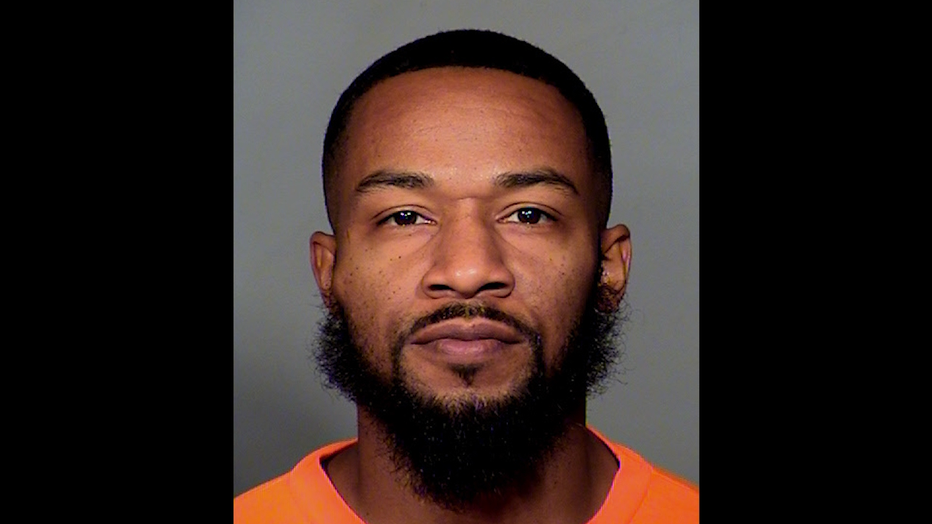
"A lot of these kids that come into that venue have already been trafficked or they've had some sort of touchpoint with trafficking in some form or fashion, so they're high risk," Brice said.
After the 14-year-old was stopped by staff during an escape attempt, she connected the other two minors with Whyte. Those girls eventually ran from the facility to "work the Blade" for Whyte, who provided them with drugs and alcohol. Prosecutors said Whyte had sex with all three victims. In July 2025, he was sentenced to 20 years in prison.
The danger remains ongoing. Last year, detectives located four other girls who ran away from Desert Lily believed to be victims of trafficking. One was found in a motel room with three adult men.
"If we don't find them within that first few hours, our concern is that they'll be trafficked, and we have to put a lot of resources into solving those quickly," Brice said.

(Related video) Queen Creek group home employee arrested in sexual assault case
A man is in jail accused of having sex with a teenage girl at an East Valley group home. According to court documents, Christopher Allen, 48, a supervisor at the Desert Lily Academy in Queen Creek, allegedly had sex with a 17-year-old girl in July.
What they're saying:
In a statement to FOX 10, the Department of Child Safety said the facilities have high runaway rates because they "care for children requiring the most intensive structure and support," but noted that missing youth reports have decreased by 40% since September 2024.
Rite of Passage defended its programs, stating they "specialize in serving vulnerable and trafficked youth by providing trauma-responsive care."
When asked if he expected to deal with sex trafficking and minors being found in Phoenix when he took the job, Brice noted that while Queen Creek is a safe community, the situation at the academies stands out.
"That doesn't mean we don't have crime," Brice said. "So, when this particular location that we deal with on a constant basis, when we are in those kinds of situations, it's alarming to me as the chief."
The Arizona Department of Child Safety's full statement
The Arizona Department of Child Safety is committed to ensuring the safety and well-being of every child in our care and improving the systems that support Arizona’s most vulnerable youth.
Canyon State and Desert Lily Academies are some of the facilities with the highest rates for runaway youth because they care for children requiring the most intensive structure and support. However, the number of children missing from Canyon State and Desert Lily has declined since 2024, like the general population of children missing from care.
Highlighting a broader trend, over the past decade DCS has seen a significant shift in Arizona’s foster care population from younger children to adolescents with increasingly complex behavioral health needs. Since 2016, the number of youth ages 12–17 with diagnosed behavioral health conditions has increased by 35 percent, now affecting more than 30 percent of children in that age group. Due to the trauma they’ve experienced, children in foster care meet this criteria at even higher rates. The American Academy of Pediatrics’ Healthy Foster Care America initiative identifies mental and behavioral health as the greatest unmet health need for children and teens in foster care.
In regards to sex-trafficking, if law enforcement has specific information regarding trafficking concerns or activity related to Canyon State Academy or any other placement, we strongly encourage direct collaboration with our Department. Protecting children requires collaboration, and we are committed to working alongside our law enforcement partners addressing all credible concerns quickly and effectively.
Under current law, children who are not involved in the criminal justice system may not be placed in locked facilities. Congregate care facilities may not lock the youth in or prevent methods of safe exit from the home. Most youth who leave care comprise a small group who leave repeatedly, not the majority of children in foster care. We should not implement rules that punish the vast majority of young people because of the actions of a small minority. Instead, our focus is on understanding why youth leave, including trauma, fear, or unmet needs, and addressing those underlying causes.
Currently we utilize Youth Thrive training, which is required for all group home staff and is also completed by many DCS staff. This trauma-informed approach emphasizes connection, open dialogue, and supportive engagement. It is not about discouraging behavior through punishment, but about building trust and identifying the factors that may lead a young person to leave a placement. We are strengthening prevention strategies so fewer youth feel the need to leave in the first place.
When a child who has left care is located, DCS works closely with law enforcement to ensure the child is safely returned to care as quickly as possible. Once located, DCS immediately conducts in-person contact to assess the child’s well-being, including medical care and behavioral health screening to identify needed supports. Specialists take time to understand what led the youth to leave, and what they experienced while missing, including screening for potential exploitation or trafficking.
This information guides safety planning, service decisions, and placement determinations; including whether the youth should return to the same setting or transition to a more appropriate placement. DCS promptly notifies law enforcement, the National Center for Missing and Exploited Children, the courts, and other appropriate partners when a child is located, and works to rescind any active pick-up orders with law enforcement. These steps occur regardless of whether a child returns during regular business hours, after hours, or on weekends and holidays.
Our priority is always the child’s safety, health, and stability, and ensuring measures address both immediate needs and the factors that contributed to them going missing.
Since September 2024, the number of youth missing from care has decreased by 40 percent, a reflection of strengthened coordination, prevention efforts, and focused attention on this issue.
Rite of Passage's full statement
"Our programs and staff specialize in serving vulnerable and trafficked youth by providing trauma-responsive care and individualized treatment planning that promote safety, stability, and healing. As a community-based program, we are proud of the outcomes achieved in collaboration with our local partners, including the Arizona Department of Child Safety and the Queen Creek Police Department."
What you can do:
If you'd like to read and/or watch more about our runaway teens coverage, click here.