She showed warnings of a failing behavioral health system in rural AZ. Her crisis turned deadly.
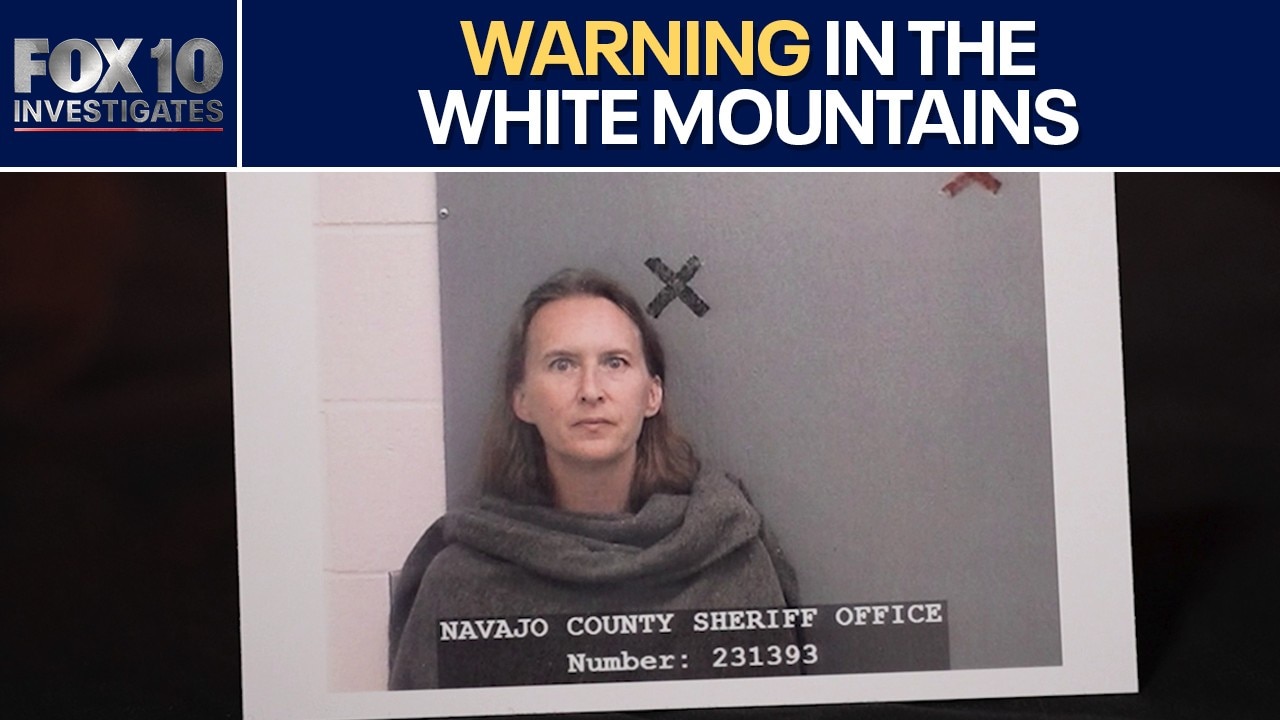
'Failed by the system': Arizona woman's mental health struggles documented months before fatal crash
Despite erratic behavior & mental health stays, Angela Bouck’s public defender never requested a competency evaluation. Navajo County Attorney and experts say the rural area's lack of qualified behavioral health providers is a nationwide crisis. FOX 10 Investigator Justin Lum reports.
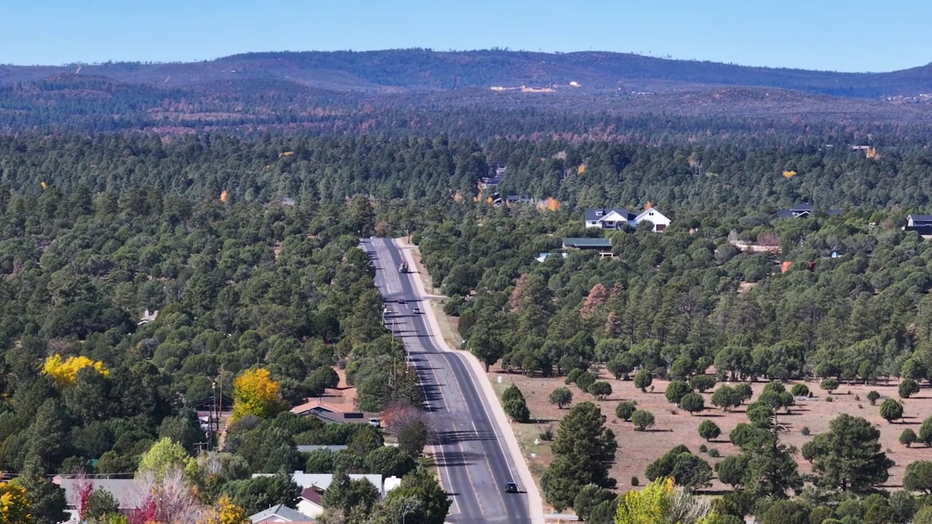
NAVAJO COUNTY, Ariz. - As night falls on Navajo County, State Route 260 becomes a long, dark stretch of road. The two-lane highway through the High Country lacks shoulder areas and pullouts, meaning a single distraction can turn deadly.
At milepost 319 on the night of Sept. 14, 2025, that danger became a reality.
Brenna Kulikowski and Damon Thompson
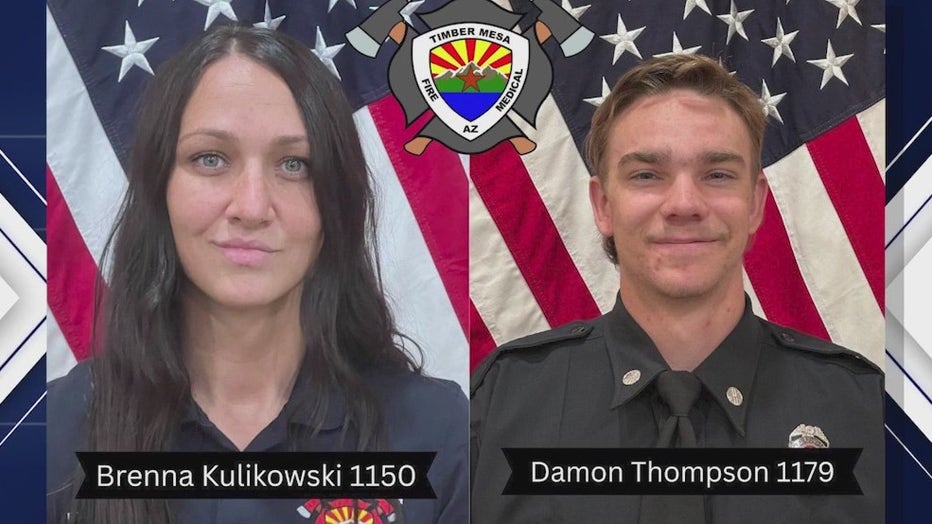
Brenna Kulikowski and Damon Thompson (Timber Mesa Fire and Medical District)
Timber Mesa Fire Chief Randy Chevalier was in bed when he received the call. "The first question was, is it our ambulance? It wasn't unknown at that moment in time, right? Because there's so many moving pieces of it, but nevertheless, I was getting dressed," Chevalier said. "I was gonna go."
Brenna Kulikowski and Damon Thompson were returning up the mountain from a transport to a Valley hospital when their ambulance was struck head-on, killing them both. When Chevalier arrived, flames lit up the sky.
"I wasn't able to read the side of our ambulance, but you can absolutely see the silhouette of what our ambulance is or was, and then the other vehicle that was involved, both heavy fire involvement," Chevalier said. "So, I walked around on the south side of the scene, took a moment to kind of take it in, and then just went and met up with Chief Payne and just cried."
The Department of Public Safety said Angela Bouck, 46, crossed the center line before the fatal collision, which also killed her.
On the morning after the crash, Bouck’s mother reported her missing and noted that her daughter had bipolar disorder and had attempted self-harm the previous night. Bouck had left her home in a Chevrolet Traverse shortly before the crash occurred.
"That's an image that doesn't go away. It'll be there forever," Chevalier said.
A pattern of behavior
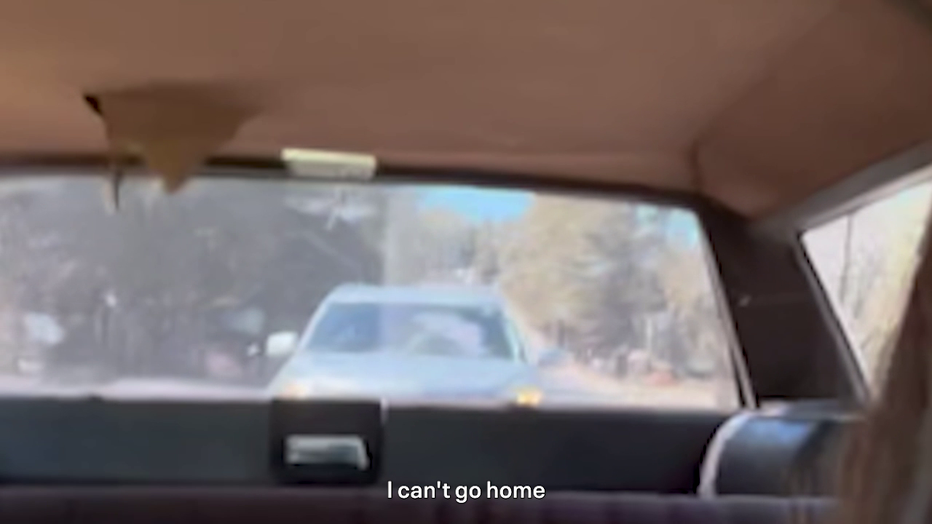
Seven months prior, on Feb. 25, 2025, Jennifer Day encountered Bouck in an incident that served as a warning to local law enforcement. Day recorded Bouck tailgating her station wagon and honking incessantly.
"I'm on Old Linden, and I'm being followed by a car," Day told 911 dispatchers. "I can't go home because she's been following me since the AutoZone ... I don't know if you can hear her honking."
When Day finally stopped, a Show Low police officer witnessed Bouck jump from her car and karate kick the back of Day's vehicle.
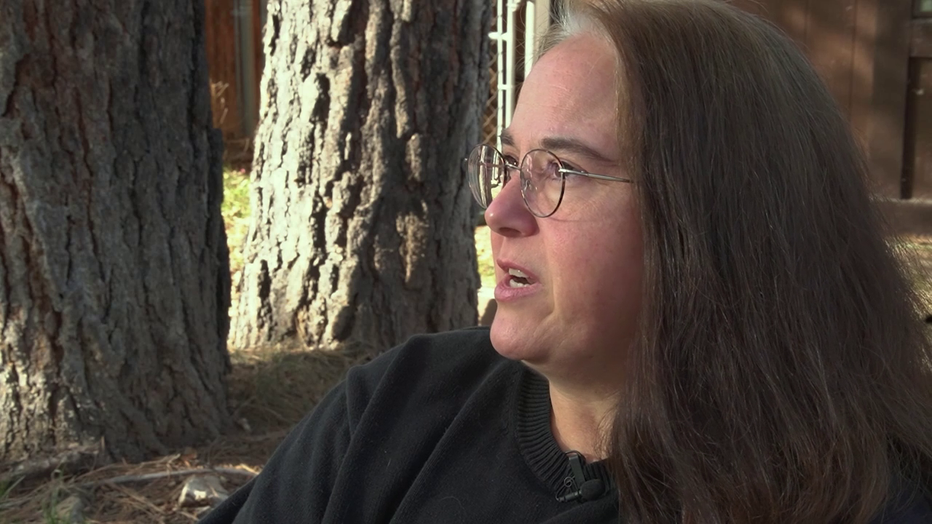
Jennifer Day
"Oh my God, she just kicked the hell out of my car and chased me. Oh my God, why? Oh my God. OK, OK, OK, please … I don't know what happened," Day told 911 dispatchers.
Day remembered how she felt at that moment.
"I thought my life is in danger. This woman was coming to hurt me. At the best, I'm in the ICU. At the worst, I'm in the morgue and I had no idea why," she said.
'I'm now shaking'
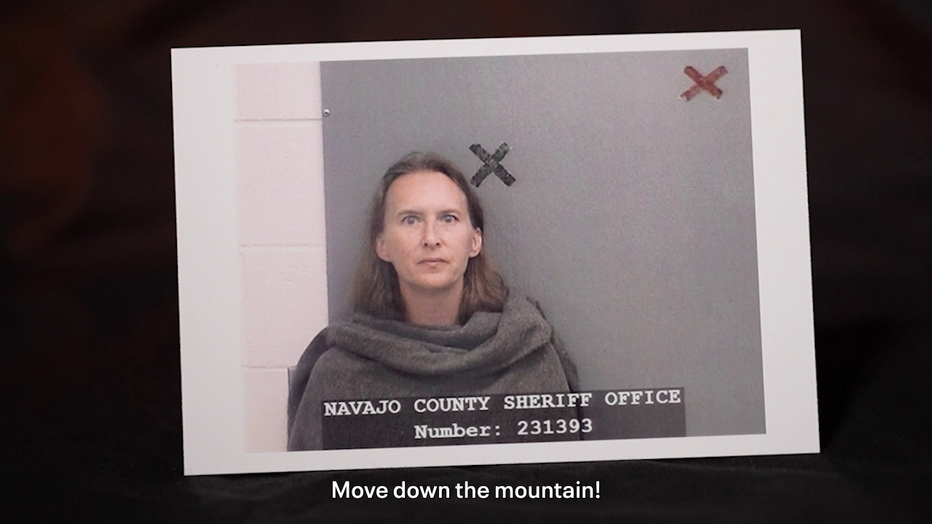
Angela Bouck
"She starts beating on my vehicle on the side, and then she was around to the back and starts kicking the back. And at that point, he grabbed her, and she complied immediately, put her hands behind her back, and I'm in my vehicle. He's telling me to pull into the church parking lot. I'm now shaking," Day told FOX 10.
Officer Bernard Huser already knew Bouck’s name; it was his third interaction with her in 36 hours. In his report, he wrote, "She appears to have some developmental disorder but has always been friendly and happy in my previous interactions."
Following her arrest, Bouck’s behavior remained erratic.
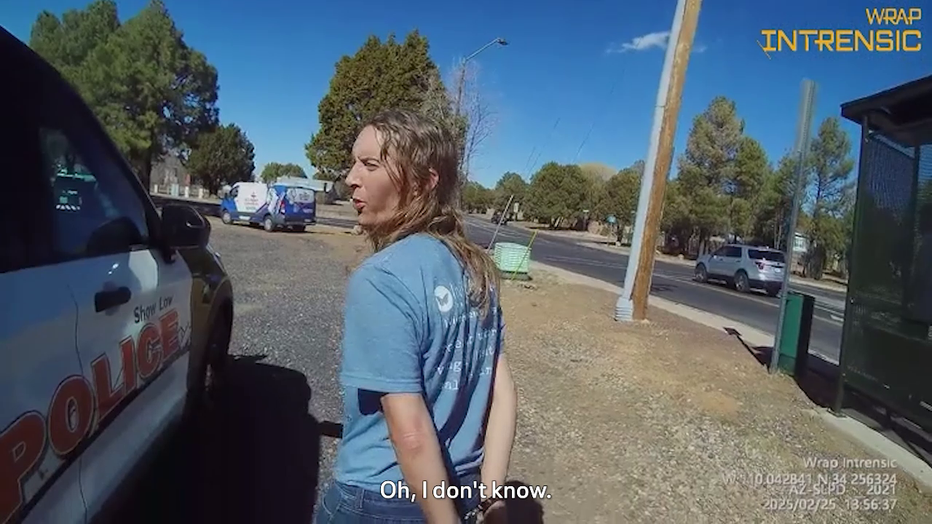
Angela Bouck captured on body camera footage
"When she jumped out of her car, I turned it in. And basically, my front bumper against the side of her car so she couldn't get to the victim. And then I jumped down and arrested her, but I was just like. ‘Oh, what the f-ck did I just watch?’ She's losing her ever loving mind back there," an officer said.
During the drive to jail, she shouted "Jesus!" repeatedly. When told she was going to Holbrook, she asked, "Is there going to be food there? Is it lunchtime yet? ... I’m hungry."
She continued: "You thought I was joking, and I'm not! You think I'm playing, and I’m not playing! I told you, if you have nothing to do with my family, or my kids, or, my town, get the f-ck out! Move down the mountain! If you don't want to do that yourself, I'll f-cking help you!"
At the jail, she refused to cooperate, stating, "You cannot legally put me in jail because I have not done anything wrong. I haven't been charged with any crime."
Systemic failures in rural care
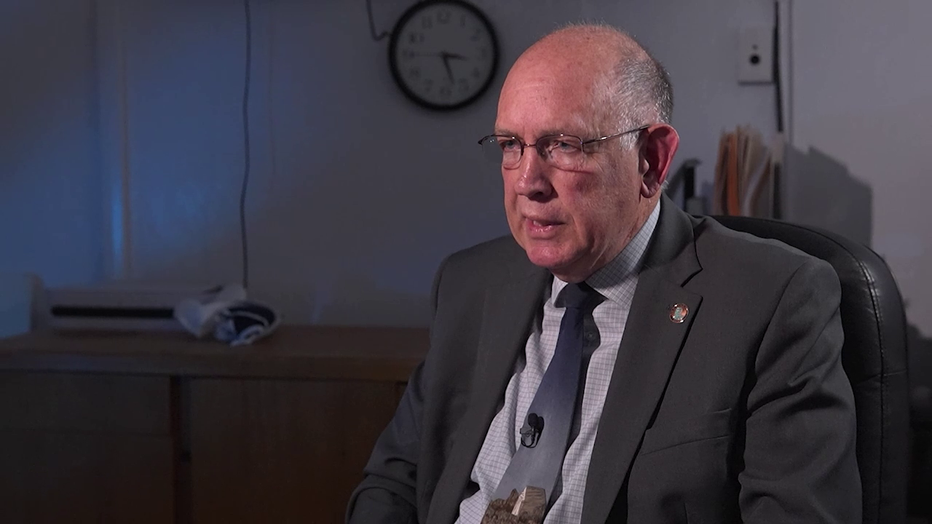
Navajo County Attorney Brad Carlyon
Navajo County Attorney Brad Carlyon said the region’s mental health landscape is bleak.
"We have hardly any behavioral health providers," Carlyon said. "Well, AHCCCS allows our providers to be underqualified to provide services because we can't get sufficient quality, qualified providers to give those services in this county."
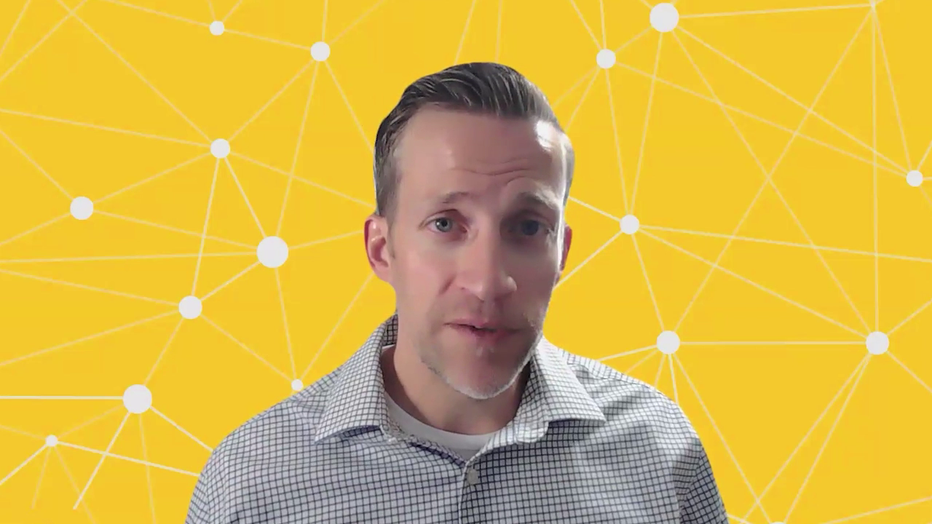
Matthew Martin, an associate research and clinical associate professor of behavioral health at Arizona State
Matthew Martin, an associate research and clinical associate professor of behavioral health at Arizona State, noted that Arizona only meets about 10% of its mental health needs. "These manic episodes can lead to hospitalization; they can lead into incarceration," Martin explained.
In November 2025, Republican U.S. Rep. Juan Ciscomani of Arizona wrote a letter to the Centers for Medicare and Medicaid Services asking for at least $200 million per year over five years to address "significant needs of its rural communities" related to health care access.
Ciscomani emphasized needs for seven of Arizona’s 15 counties classified as "100 rural" in support of the Rural Health Transformation Program.
Four Democratic colleagues — Sens. Mark Kelly and Ruben Gallego, Rep. Yassamin Ansari and Rep. Greg Stanton — endorsed the effort.
In 2026, CMS allocated $50 billion in funding for rural health to all 50 states over the next five years. This year, Arizona will receive $167 million, the sixth-lowest allocation in the nation.
‘Potential competency issues’
After Bouck’s arrest in Show Low, she was scheduled to appear in court for her arraignment two weeks later for disorderly conduct and criminal damage. She appeared by phone on March 5, 2025 because she was at ChangePoint Integrated Health, a behavioral health provider in the White Mountain area.
Angela pleaded not guilty to the misdemeanor charges, but the issue of her competency was raised. Her pretrial conference was rescheduled for June 2025. The court later learned Angela was in a mental health facility in San Diego, delaying her case again and moving the pretrial hearing to late August.
While she was in and out of mental health facilities, a "Rule 11" competency evaluation was never triggered as her public defender never motioned for it.
Rule 11 in Arizona law is the process that requires the court to order two mental health experts to evaluate a defendant. They must determine if that person is competent to proceed with a criminal case.
Under the legal standard, a defendant is considered competent if they have a factual and rational understanding of the proceedings and can assist their attorney with a defense.
"The court believed there could be some potential competency issues. So, he appointed the Navajo County Public Defender's Office to represent the defendant," Carlyon said.
A community grieves
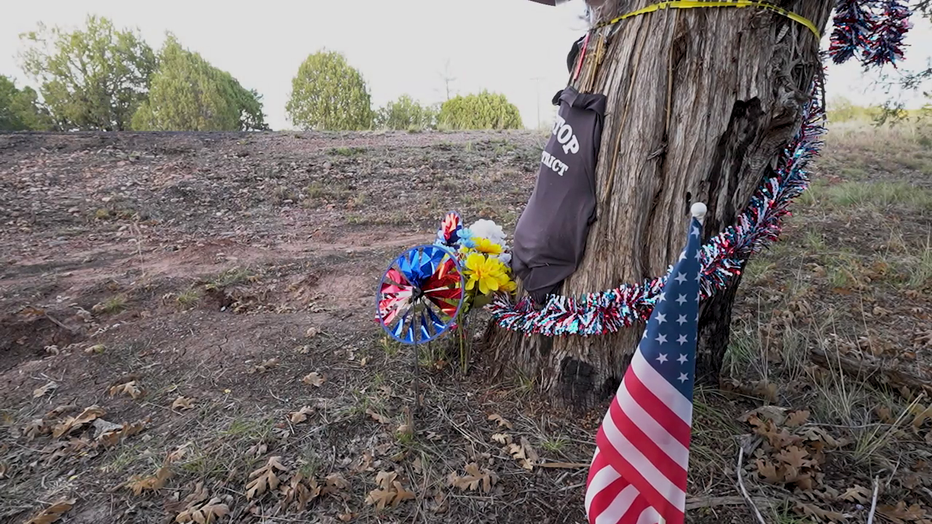
The crash took the lives of two first responders described as empathetic and athletic. Thompson was completing his first year at Timber Mesa; Kulikowski was a mother of a 10-year-old who had just married in July.
Day remembered Kulikowski for a random act of kindness months earlier when she bought a stuffed owl for Day’s autistic son during a medical transport. "She's like, ‘No, I want to do this for him. I want him to feel better,’" Day remembered.
For Chief Chevalier, the memory of delivering the news to the families remains vivid. "I can tell you the color of the houses, what the door looks like and then, of course, the faces as you're as you're delivering that information and that sticks with you forever," he said.
He reflected on the job, and the loss to the community.
"We have to have people that are empathetic, caring, and willing to still do that job. So, it's kind of twofold. They gotta be good with their hands, but also have that care, because most of what we do is medical calls. I felt like Damon probably had, and ultimately, he did, he proved it to us, had those that skill sets," he said. "We're going to somebody's worst day of their lives, and so we have to have that empathetic side, and that's what Brenna brought to the table. But she also brought energy. She was athletic and capable, and she could truly function and do the job very well."
Day, reflecting on the tragedy, said the system failed everyone involved. "Although she's culpable, like she didn't deserve to die. She was failed by the system as much as society was failed by the system."