

Arizona engineer recalls building Apollo 11 system as Artemis II continues moon mission
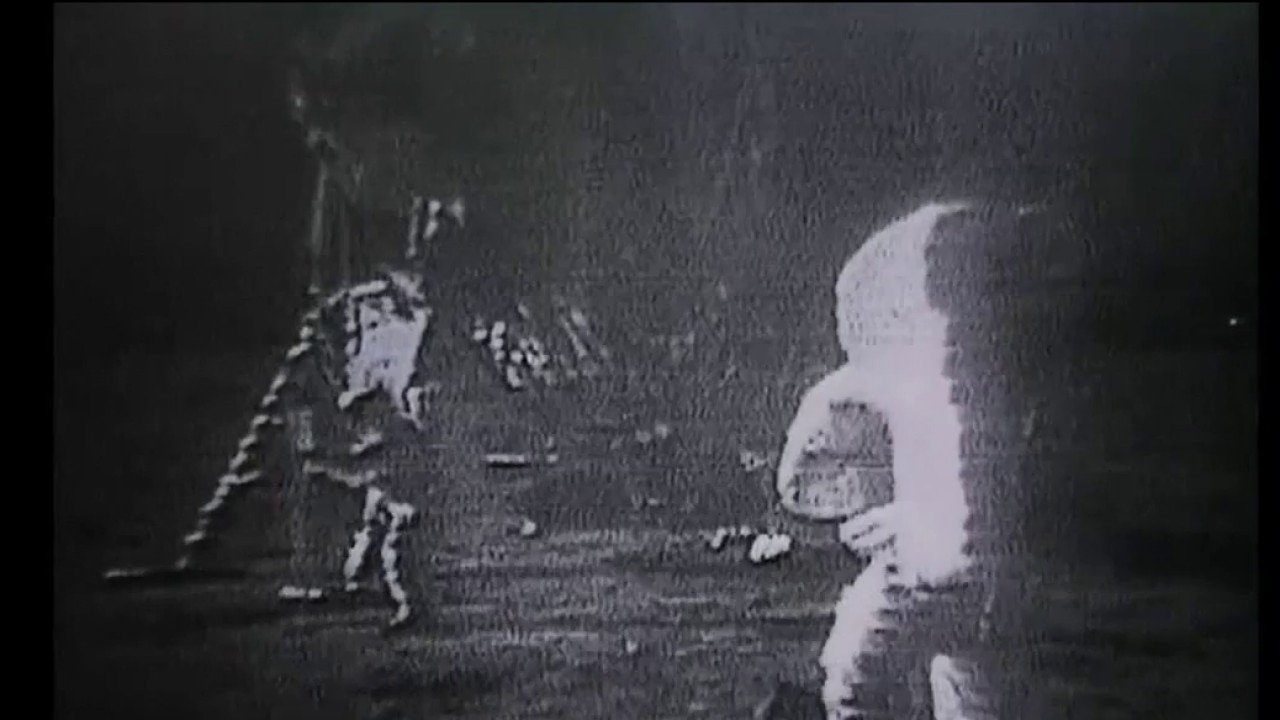
93-Year-Old Arizona engineer reflects on helping Neil Armstrong speak from moon
As NASA prepares for Artemis II to fly by the moon, a University of Arizona graduate is reflecting on his contributions in creating the antenna that broadcast the first words from the moon landing in 1969. FOX 10's Jacob Luthi learns more about the 93-year-old engineer.
PHOENIX - Astronauts landed on the moon more than 50 years ago, and a Valley man was a big part of that mission— linking Arizona to a piece of history in the first and next eras of lunar exploration.
Local perspective:
When Neil Armstrong stepped onto the moon in 1969, the world heard his words thanks in part to an antenna designed by an Arizona engineer. As NASA’s Artemis program eventually aims to return humans to the moon, that 93-year-old engineer is reflecting on his role in making history.
When Mel Allen was just 36 years old, he was working for Motorola when his team built the antenna mounted on Armstrong’s backpack during the Apollo 11 moon landing.
"It’s very simple," Allen said. "Just like a whip that’s on your car."
The slim, ruler-sized piece of stainless steel helped transmit the first words spoken from the lunar surface to the largest TV audience of its time.
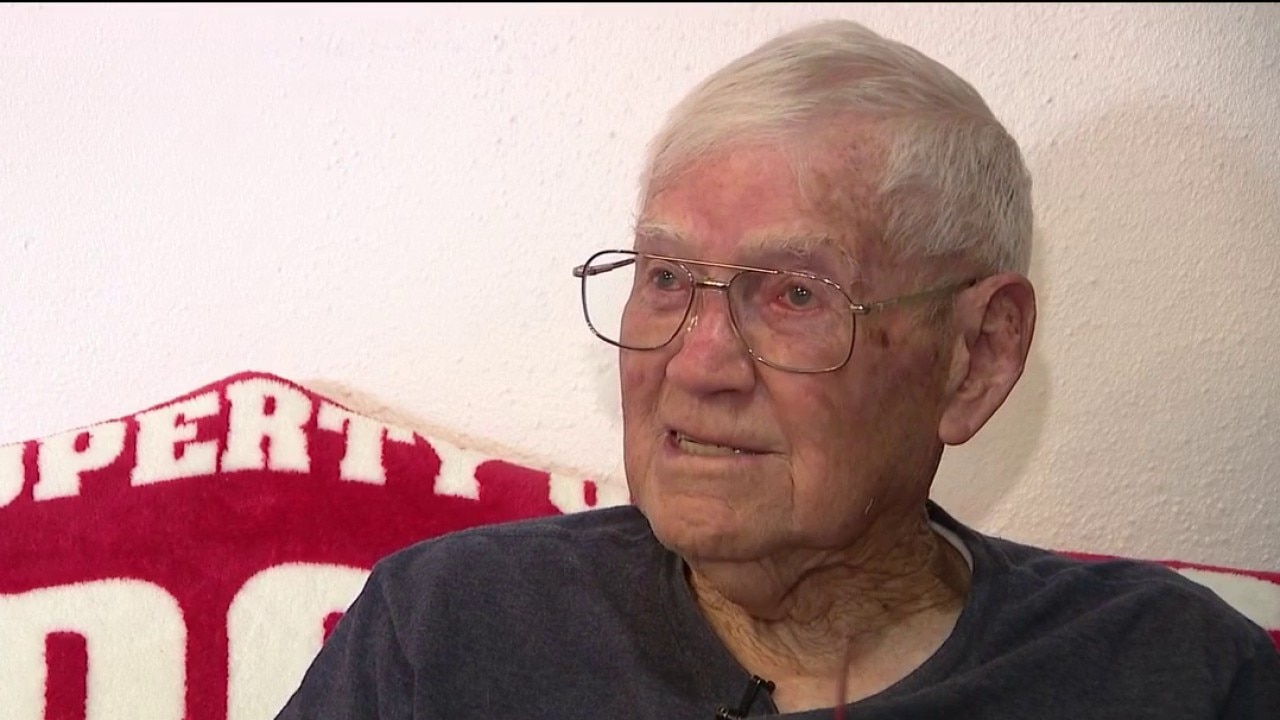
Apollo engineer who worked on Neil Armstrong's mission hopeful for Artemis II
The man who helped design Neil Armstrong's communication link with Earth is reflecting on his role in making history as NASA hopes to returns humans to the moon. FOX 10's Jacob Luthi hears more from the Arizona engineer recalling that mission.
The backstory:
As project lead on a NASA study program, Allen helped design, build, and test the antenna on Neil Armstrong’s backpack—engineered to perform in space, withstand the elements, and keep astronauts safe.
"They want to know how many cycles this could go through before it broke," he said. "So at my desk at Motorola, I would sit there and go back and forth, and people in the office were annoyed with the noise. So I brought it home and had my kids do it."
Thousands of tests later, that antenna held strong. Allen helped build 20 of these antennas but kept two for him and a coworker. While he wasn’t at Mission Control on July 20, 1969, he watched history unfold from a Mississippi motel room, even recording the moment on 8mm film as Walter Cronkite narrated.
"Everything turned out to be successful. It made me feel very good," Allen said. "And I still feel good about what I did at that time."
Dig deeper:
More than 50 years later, as Artemis II heads around the moon, Allen says the next giant leap is long overdue.
"I've been living with the history 50 years," he said. "And so what, are they going to go back? It's just amazing to me that they could do it. And I'm glad to see that they're taking the next step."
The University of Arizona graduate still vividly recalls the mission, proud of helping to bring the moon a little closer to Earth.
"Very exciting for me to know that something I had my hands on was on the moon and was able to establish contact between the backpack, to the moon lander to Earth," Allen said.
While some of the antennas were dumped on the moon, Allen said he's not giving his up anytime soon.
The Source: This information was gathered by FOX 10's Jacob Luthi.