

Grand Canyon National Park updates community on flood recovery, water emergency
Grand Canyon officials talk deadly floods, waterline issues
Grand Canyon officials held a town hall Sept. 2 to address the search for a missing hiker following two recent deaths, ongoing waterline repairs, and current park updates, including a ban on overnight stays due to flooding.
GRAND CANYON, Ariz. - Rescue crews are back in the Grand Canyon Wednesday searching for a missing hiker swept away in fast-moving floodwaters over the weekend on Aug. 29.
What we know:
Crews have already recovered the bodies of two hikers both from Granbury, Texas: John Giusti, 46, and Brent Rosenkranz, 42. Fifty-three-year-old Tim Smith remains missing near Bright Angel Creek.
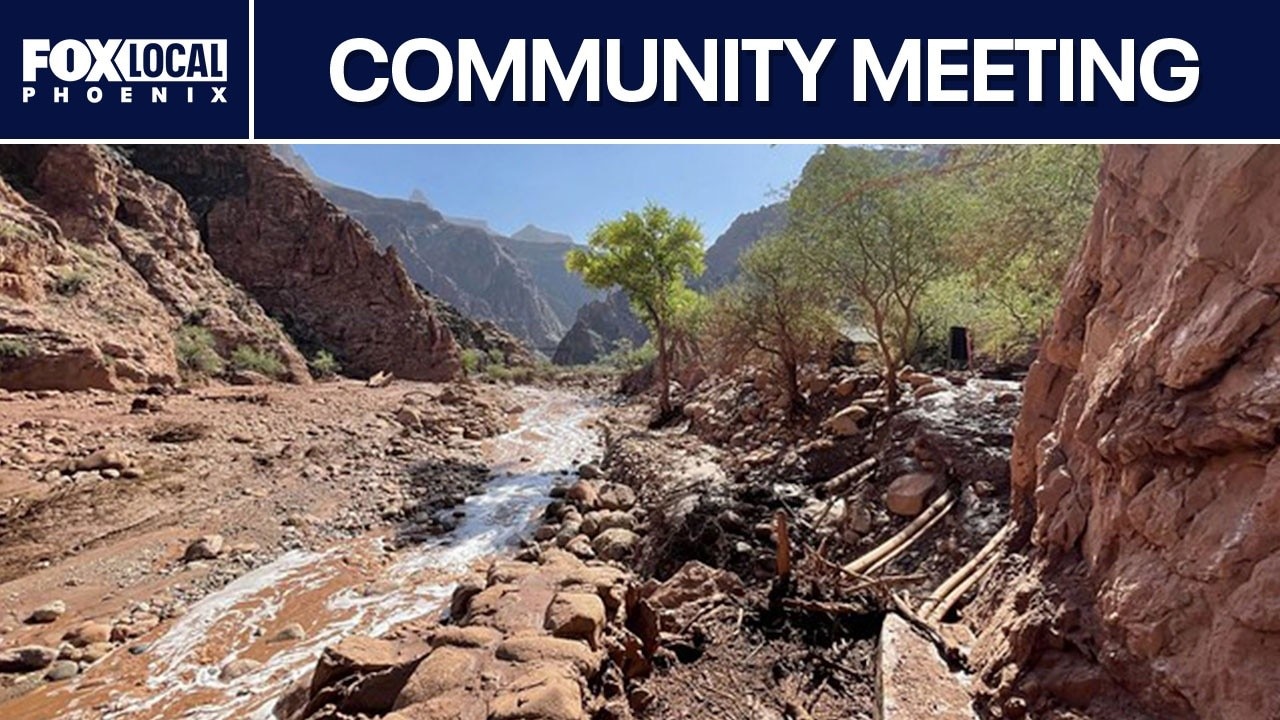
New photos from the National Park Service of the Bright Angel Canyon and the Phantom Ranch areas show the damage left behind after the flash flooding.
APS crews are assessing utilities, including the Transcanyon Waterline, and water utility specialists are assessing damage to the Roaring Springs Pumphouse and distribution system.
"The Transcanyon Water Distribution Pipeline, known as the Transcanyon Waterline (TCWL), is a 12½-mile water pipeline constructed in the 1960s that conveys water from the Roaring Springs source on the North Rim to the Havasupai Gardens (formerly known as Indian Garden) pump station and ultimately to the South Rim. It provides the potable water and fire suppression for all facilities on the South Rim as well as some inner canyon facilities in the Cross Canyon Corridor including over 800 historic buildings," the National Park Service says about the utility.
Because of the waterline issues/restrictions, overnight stays in the Grand Canyon aren't permitted, but visiting for the day is allowed.
Sept. 2 meeting on the latest recovery efforts, utility issues
Grand Canyon National Park hosted a community meeting from 5 p.m. to 6 p.m. at the Shrine of the Ages Auditorium to address deadly flash flooding, the ongoing flood response, the water supply, Stage 4 water restrictions, and community and park operations, where officials took questions.
Rescues and Recovery:
"From Saturday afternoon, when the rain started, the monsoon event occurred. The park staff worked diligently to save as many lives as possible. In the inner canyon, our staff responded professionally and heroically, frankly, to the situation that they were facing," deputy superintendent Brian Drapeaux said.
Rescuers have been working around the clock to assist those caught in the storm.
"Numbers have not changed since yesterday morning. 82 people were rescued, there's initially three missing. Two of those have been recovered. And so there is still now one missing," Brian Bloom, incident commander for the Western Incident Management Team, said.
Infrastructure Damage:
The flooding also severely impacted critical infrastructure that supplies water to the region.
"Roughly 40% of the Transcanyon Waterline from the North Rim to Phantom Ranch has experienced some type of damage, whether it's completely gone or severely damaged," said Adam Leavy, deputy chief of facilities and engineering for Grand Canyon National Park. "Every gallon we can save on the South Rim gives us the repair and recovery time that we're going to need. Conservation by the community can directly affect how our stored water lasts."
Water Restrictions:
Officials emphasized the strict limits now placed on daily water consumption, with overnight lodging on the South Rim closed, and dry camping now the only option for visitors.
"The real simple distinction is if it comes out of the tap. So if you're taking water out of your tap, that water should only be used for hygiene, sanitation, flushing and cleaning. You should not be using it for any other purposes," AJ Lapre, chief of interpretation and resource education at Grand Canyon National Park, said. "What we do collectively over the next days really matters. This is a collective effort. We all come here to work here. We're all here to serve the visitors well, here to serve this place that we all love. But right now we have to serve each other also."
Grand Canyon South Rim faces water supply limit after flood damage
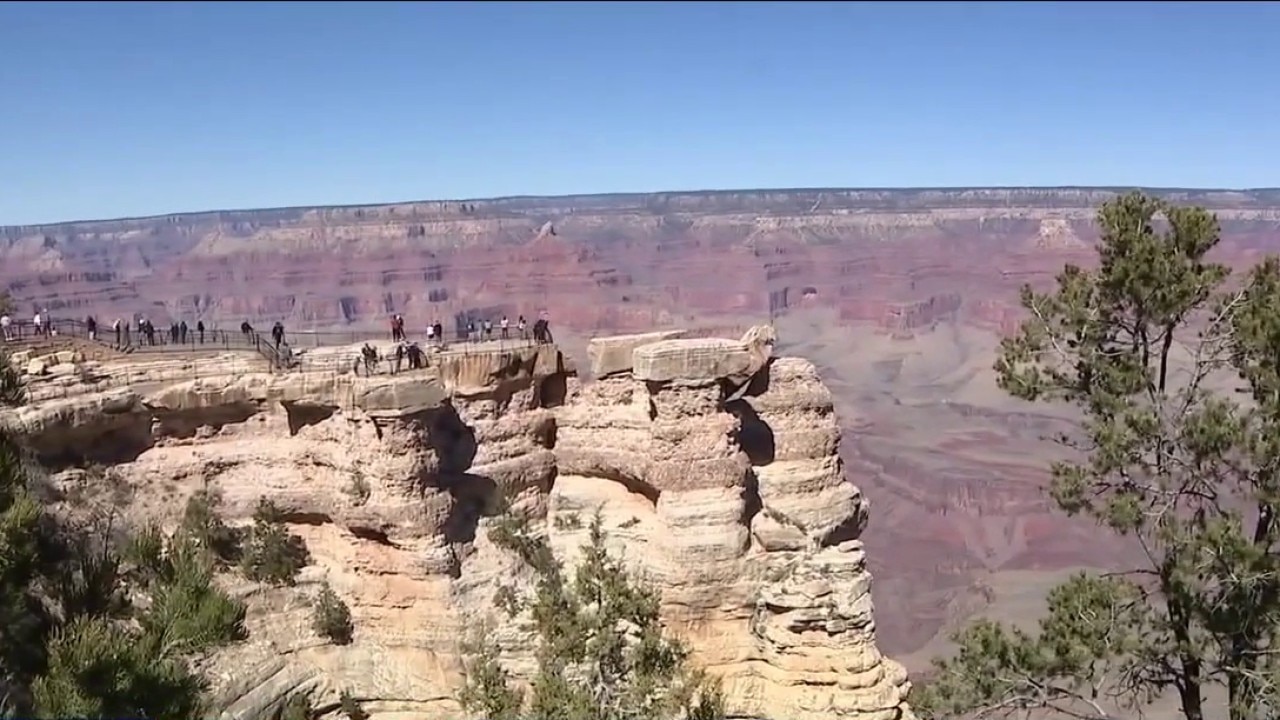
Grand Canyon water storage faces a 40-day countdown under Stage four restrictions after severe flash flooding damaged key pipelines. FOX 10's Nicole Krasean has the latest takeaways from Wednesday's community meeting, after the deadly weekend weather left two dead and one still missing.
Park leaders did not give a timeline for when water restrictions might be lifted. However, they shared that the current water storage unit has just over 20 feet of water, and each day the tank is drained about half a foot based on water use. That would mean the existing supply has roughly 40 days left before it is gone.
"Every gallon we can save on the South Rim gives us the repair and recovery time that we're gonna need," officials stated.
Additional Damage:
The weekend floods damaged both the Roaring Springs water intake and the Transcanyon Waterline intake at Bright Angel Creek. Park leaders say hauling in water from other sources is complicated by Arizona Department of Environmental Quality regulations.
"So it is a current challenge for us to introduce water from outside of our existing water source into our distribution system," said Brian Drapeaux, deputy superintendent of Grand Canyon National Park.
Early assessments in the inner canyon indicate significant damage to iconic parts of the rim-to-rim experience.
"In the box, there's four bridges there that were severely damaged or washed away. Currently we estimate that five to seven miles of the North Kaibab Trail are gone, washed away, or again severely damaged," officials noted.
The Park's Mission:
Despite the emergency, park leadership reiterated the importance of maintaining their core mission.
"We're a national park. We serve not only the nation, but international visitors to this place. And so it is part of our mission to allow access for the American public and the world population to experience Grand Canyon National Park," Drapeaux said.
The Community Chimes In:
One community member asked about the decision to keep the South Rim of the park open to visitors at all under such limited water resources and ongoing emergency response operations.
"Why are we still open and when do we close?" the community member asked.
"We're a national park. We serve not only the nation but international visitors to this place and so it is part of our mission to allow access for the American Public and the world population to experience Grand Canyon National Park," Drapeaux said.
Leadership Speaks:
Leadership expressed deep sympathy and commitment to the local community as recovery operations proceed.
"You're not alone. We are here to help you," said Bert Frost, National Park Service regional director, while getting visibly emotional. "We will use every, every tool that we have available to us, to get these things done. But at the end of the day, there are difficult days ahead of us."
Dig deeper:
The park's superintendent, Ed Keable, was noticeably absent from both this meeting and the initial press conference on Aug. 31. Park officials say he is dealing with a personal family crisis, and there is no word on when he will be back at the park taking over recovery efforts.