

Trump signs bill ending historic government shutdown

BREAKING: Trump signs funding bill, ending shutdown
President Donald Trump has now signed a bill ending a record 43-day government shutdown. The shutdown originally stemmed from a clash over healthcare funding between Democrats and Republicans. The legislation provides Fiscal Year 2025 funding to keep the government open through Jan. 30, 2026.
WASHINGTON - President Donald Trump signed a bill ending a historic 43-day government shutdown that saw federal workers go without multiple paychecks, travelers stranded at airports and people lining up at food banks to get a meal for their families.
The House vote on Wednesday evening was 222-209.
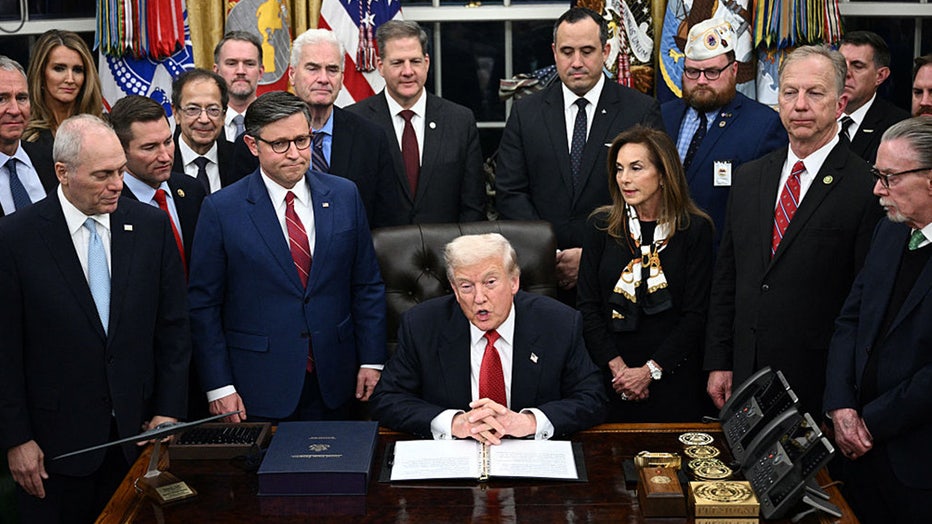
US President Donald Trump (C) speaks while signing the bill package to open the federal government in the Oval Office of the White House in Washington, DC, on Nov. 12, 2025. (Photo by BRENDAN SMIALOWSKI/AFP via Getty Images)
What they're saying:
Republicans said Democrats sought to use the pain generated by the shutdown to prevail in a policy dispute.
"Stop imposing the suffering," House Majority Leader Steve Scalise, R-La., said. "Let's open the government. Let's get back to the work of the American people."
The other side:
Democrats said Republicans raced to pass tax breaks earlier this year that they say mostly will benefit the wealthy, but the bill before the House Wednesday "leaves families twisting in the wind with zero guarantee there will ever, ever be a vote to extend tax credits to help everyday people pay for their health care," said Rep. Jim McGovern, D-Mass.
Democratic leader Hakeem Jeffries said Democrats would not give up even if the vote did not go their way.
"This fight is not over," Jeffries said. "We’re just getting started."

Johnson speaks after House passes bill to end shutdown
House Speaker Mike Johnson spoke Wednesday night after the House passed a funding bill to end the longest government shutdown in U.S. history, calling the shutdown a "selfish political stunt" by Democrats. President Trump is expected to sign the bill later Wednesday.
RELATED: Travel disruptions expected to continue after end of government shutdown
Government shutdown ends
Dig deeper:
The legislation provides Fiscal Year 2025 funding to keep the government open through Jan. 30, 2026 to give negotiators more time to strike a longer-term deal for Fiscal Year 2026.
It also reverses the mass firings of federal workers by the Trump administration since the shutdown began on Oct. 1 and guarantees workers who were furloughed or worked without pay receive backpay.
The bill funds the Department of Agriculture and the Food and Drug Administration; the Department of Veterans Affairs and military construction; and the legislative branch through Sept. 30, 2026.
They are three of 12 individual bills that are meant to make up Congress' annual appropriations, paired into a vehicle called a "minibus."
It also guarantees Senate Democrats a vote on legislation extending Obamacare subsidies that were enhanced during the COVID-19 pandemic, which are set to expire at the end of this year.
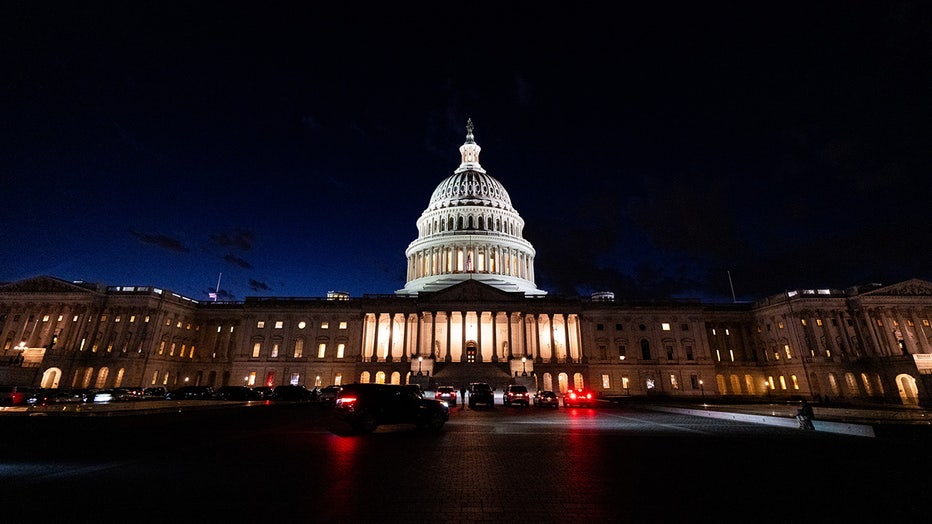
FILE - The U.S. Capitol dome is illuminated as the House of Representatives returns to Washington to vote to reopen the government Wednesday, Nov. 12, 2025. (Bill Clark/CQ-Roll Call, Inc via Getty Images)
RELATED: When will SNAP payments resume now that the government shutdown has ended?
Why did the government shut down?
The backstory:
Republicans crafted a short-term measure to fund the government through Nov. 21, but Democrats insisted that the measure address their concerns on health care.
Democrats wanted to reverse the Medicaid cuts in Trump’s mega-bill passed this summer as well as extend tax credits that make health insurance premiums more affordable for millions who purchase through the marketplaces established by the Affordable Care Act.
The tax credit was boosted during the COVID-19 pandemic response, again through President Joe Biden’s big energy and health care bill, and it’s set to expire at the end of December.
Without it, premiums on average will more than double for millions of Americans. More than 2 million people would lose health insurance coverage altogether next year, the Congressional Budget Office projected.
Republicans said that’s all a non-starter.
While Democrats called for negotiations on the matter, Republicans said a funding bill would need to be passed first.
The Source: The Associated Press, FOX News, and previous reporting contributed to this report. This story was reported from Los Angeles.