

Arizona manslaughter sentencing vacated due to use of AI 'victim impact statement'
PHOENIX - An appeals court judge in Arizona has vacated a man's prison sentence for manslaughter because an AI representation of the victim was used in court.
The backstory:
In May 2025, we reported on the sentencing of Gabriel Paul Horcasitas, a man who was found guilty of manslaughter in connection with the shooting death of Christopher Pelkey back in 2021.
During a time in the trial where victim impact statements were given, an AI-generated video of Pelkey was played. The idea, per our report at the time, came to Pelkey's sister, Stacey Wales, as she collected victim impact statements and prepared her own.
"We received 49 letters that the judge was able to read before walking into sentencing that day. But there was one missing piece. There was one voice that was not in those letters," she said.
Wales later turned to her husband and their friend, who together have been working with AI tech for years.
"In another life, we probably could've been friends. I believe in forgiveness and in God who forgives. I always have and I still do," said the AI representation of Pelkey.
"I love that AI. Thank you for that. I felt like that was genuine; that his obvious forgiveness of Mr. Horcasitas reflects the character I heard about today," Judge Todd Lang said in court.
Horcasitas was sentenced to 10.5 years in prison for manslaughter, and he appealed the case afterward.
Featured

Arizona road rage victim speaks to killer through artificial intelligence
An Arizona man who was killed during a road-rage incident speaks in court from beyond the grave. FOX 10's Nicole Krasean has the details on how artificial intelligence was used during the victim impact statements.
What's New:
Per the ruling, Horcasitas argued, among other things, that he was denied due process when the judge "heard and expressly relied on an AI-generated video that recreated the victim's appearance and voice," while prosecutors argued that the AI video was reliable because it "reflects what the victim's sister believed the victim would have said" had he spoke at the sentencing hearing, and that because the victim and Wales shared a close familial relationship, it allowed for "the reasonable inference that th sentiments conveyed by the AI victim were probably accurate."
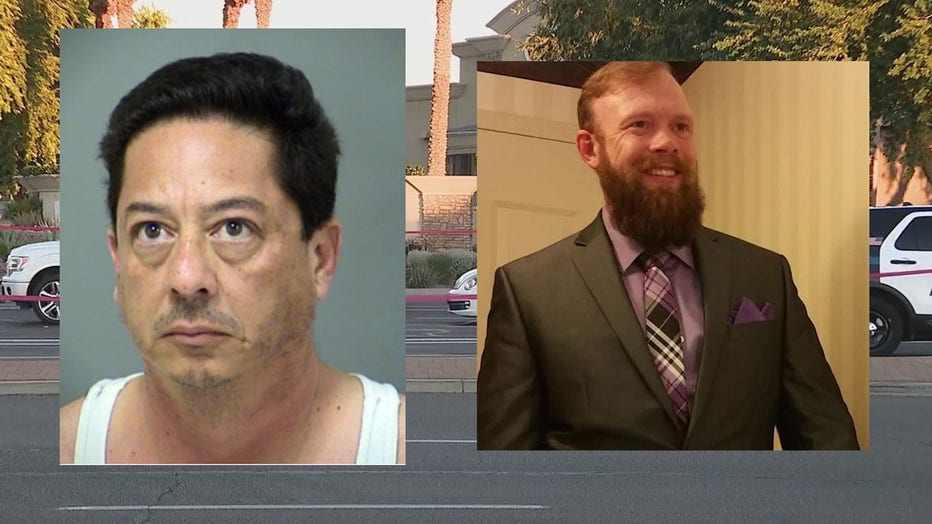
Gabriel Paul Horcasitas (left)
The appeals court ruled that the AI video in this case "erases the interpretive distance between the family's belief of what the victim would have said and the victim's own voice and opinions," as the video "presents a depiction of the victim and his thoughts created from the imaginings of the victim's sister."
"While the record does not reflect precisely how the AI video factored into the sentencing calculus, there is no question it played a role," read a portion of the ruling. "And on this record, the judge's consideration of the AI video so prejudiced Horcasitas as to render the sentencing procedure fundamentally unfair."
While the judge vacated the prison sentence for Horcasitas, the conviction for manslaughter was affirmed.
Big picture view:
According to the Appeals Court ruling, "no Arizona case has addressed the admissibiity of an AI-generated depiction of a victim offered as victim impact evidence."
What's next:
Horcasitas, per the ruling, will be remanded for re-sentencing. The ruling did not mention when that will happen.
The Source: Information for this article was gathered from a ruling issued by the Arizona Court of Appeals Division One on Sept. 30, 2026, and from a FOX 10 news report on the AI victim impact statement that was published on May 5, 2025.