

Arizona education candidates debate school funding, safety, and campus closures
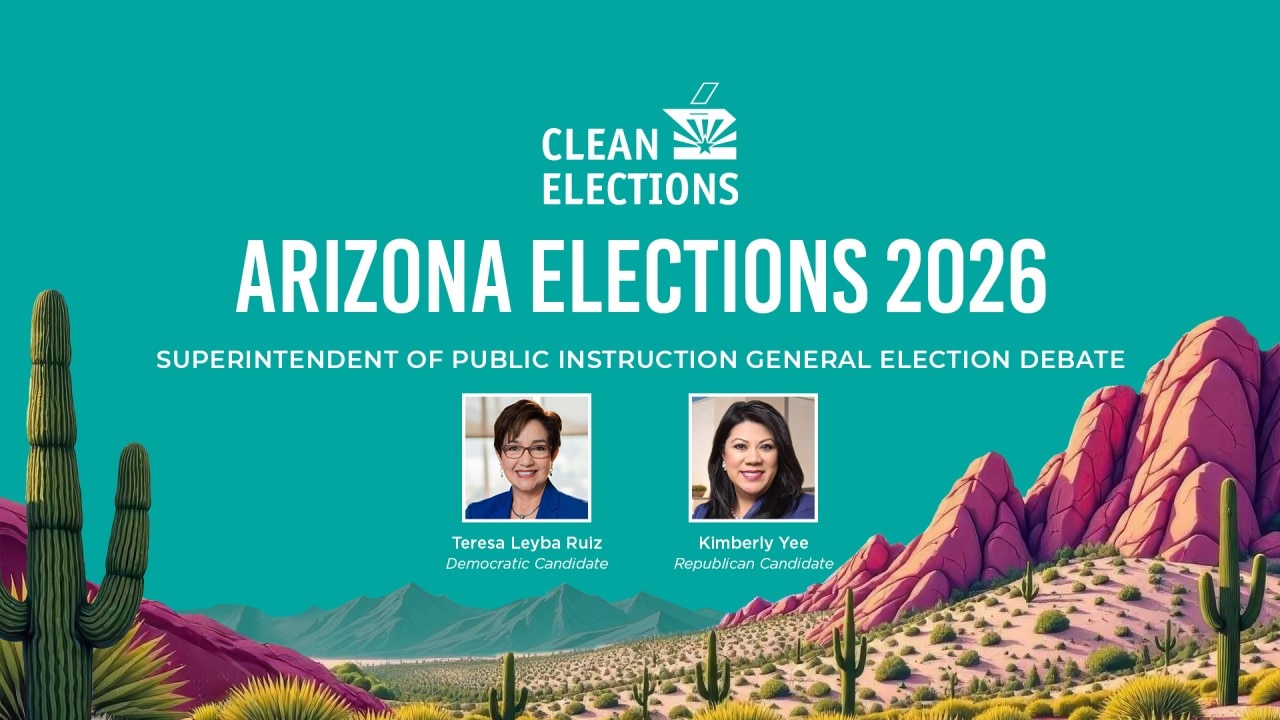
Arizona candidates debate school closures, funding
Candidates Teresa Leyba Ruiz and Kimberly Yee presented contrasting platforms on funding, campus safety, and school closures in the race for state superintendent.
PHOENIX - Two people who are vying to become Arizona's next top education official took part in a debate on Sept. 15, and here's what to know.
Who organized the debate?
The Citizens Clean Elections Commission is the official debate sponsor.
Who took part in the debate?
Democrat Teresa Leyba Ruiz faced Republican Kimberly Yee in this debate.
Recapping the debate
The candidates for Arizona superintendent of public instruction framed the race as a choice between direct classroom experience and decades of policy leadership during a recent campaign event.
Candidate experience, goals
Leyba Ruiz, a first-time candidate and long-time math teacher, framed her platform around frustration with political gridlock. Arguing that non-educator politicians have allowed public schools to languish, she pointed to her 25 years in the classroom as the backing for her bid to bring accountability and practical solutions to the department.
Ruiz targeted the state’s low national ranking in per-pupil spending, attributing the shortfall directly to the long-term governance of established officials. She disputed assertions that administrative overhead accounts for the deficit, stating that school administrative budgets average only about 10%. Instead, she contended that systemic underfunding forces educators to purchase basic supplies out of pocket and burdens parents with extensive back-to-school supply lists. Ruiz also criticized the handling of Proposition 123, calling it a temporary fix that state leaders have allowed to lapse without a permanent replacement.
Yee, the current state treasurer and former state Senate Education Committee chairperson, highlighted her 30 years of experience shaping K-12 policy. Pointing to her work drafting academic standards, advising governors, and steering education legislation, Yee argued that her record demonstrates a clear commitment to academic achievement and foundational learning. Her campaign has drawn endorsements from former education leaders and the Arizona Independent Party.
Addressing school finance, Yee pointed to her management of public funds as treasurer, including overseeing the generation and distribution of a record $3.2 billion for K-12 education through state land sales and the Permanent Land Endowment Trust Fund. She noted that hundreds of millions of dollars are allocated annually to help districts improve infrastructure, boost teacher pay, and supply classrooms directly. Yee advocated for shifting resources away from top-level administration to ensure educators do not have to source their own classroom supplies.
School closures
As declining enrollment drives a growing wave of school closures across Arizona, the two candidates presented contrasting views on the root causes and remedies for the crisis.
Yee pointed to shifting demographics, high living costs, and overbuilding as major factors driving down attendance. She argued that the educational system has focused too heavily on physical construction at the expense of classroom instruction and vision. To address vacant facilities funded by taxpayers, Yee highlighted legislation she previously sponsored allowing underutilized or closed public school properties to be sold or leased at competitive rates to charter and private schools, which do not receive taxpayer funds for infrastructure. While noting that opponents resisted the measure due to competition between district and alternative schools, Yee stressed the need for a long-term plan to slow the pace of closures and support public school survival.
Leyba Ruiz offered a personal perspective on the issue, pointing to the recent closure of Larson Middle School in South Phoenix—an institution she attended and later taught at—as an example of the devastating impact closures have on local families and multi-generational communities. Ruiz attributed widespread school closures and subsequent classroom overcrowding to systemic underfunding and the expansion of Empowerment Scholarship Accounts, which she said drain vital resources away from public districts. Citing reports of physics classes with 39 students and pupils sitting on floors, she argued that closures worsen conditions for surrounding schools. Ruiz contended that the solution requires raising Arizona from its position at the bottom of national per-pupil funding to ensure facilities remain open, structurally sound, and adequately funded.
Campus safety
Addressing campus security and student well-being, the candidates outlined contrasting visions for how state leadership should support local school safety needs.
Yee emphasized her long-standing involvement with campus security policy, dating back to her time staffing the state Senate Education Committee. Highlighting her legislative record, Yee noted her 2017 sponsorship of a $12 million appropriation that added 118 school resource officers to campuses. She explained that she reformed funding laws to ensure security resources are directed to lower-income communities and areas with higher crime rates, rather than benefiting districts with dedicated lobbyists.
Pointing to a backlog of 1,000 unfunded requests for school officers, Yee said her strong relationships with state lawmakers would help secure the necessary funding to eliminate the waiting list. She also praised law-related education taught by resource officers, arguing that the program fosters positive relationships and helps maintain a safe learning environment.
Leyba Ruiz advocated for a broader, community-driven approach to campus safety, arguing that individual schools and parents are best equipped to identify their specific security needs. While acknowledging that some communities prefer school resource officers, Ruiz noted that others prioritize hiring counselors or social workers.
She stated that the state superintendent’s role is not to mandate specific safety measures or impose a personal ideology, but to honor and support the distinct requests of each local school community. Ruiz emphasized that trusting local administrators and families is essential to ensuring students remain safe and well-supported.
Kimberly Yee
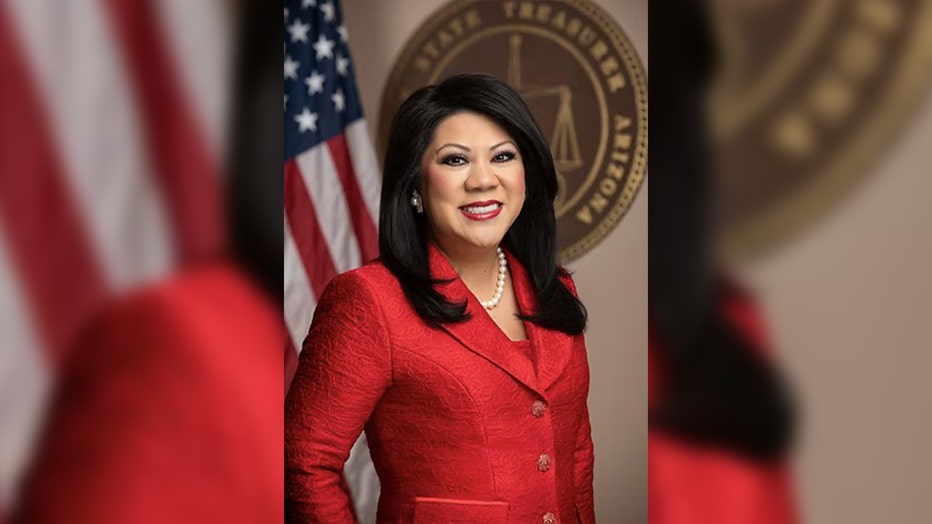
Kimberly Yee (Arizona State Treasurer's Office)
Yee, who is currently the Arizona State Treasurer, defeated incumbent superintendent Tom Horne in the GOP primary. Under state law, she cannot seek another term as treasurer.
Yee's campaign website states that she has education policy experience, citing her involvement with expanding school choice and the state's school vouchers program. She also touted her advocacy of financial education, claiming she was a sponsor of legislation that adds financial literacy to the K-12 academic standards in schools.
Teresa Leyba Ruiz
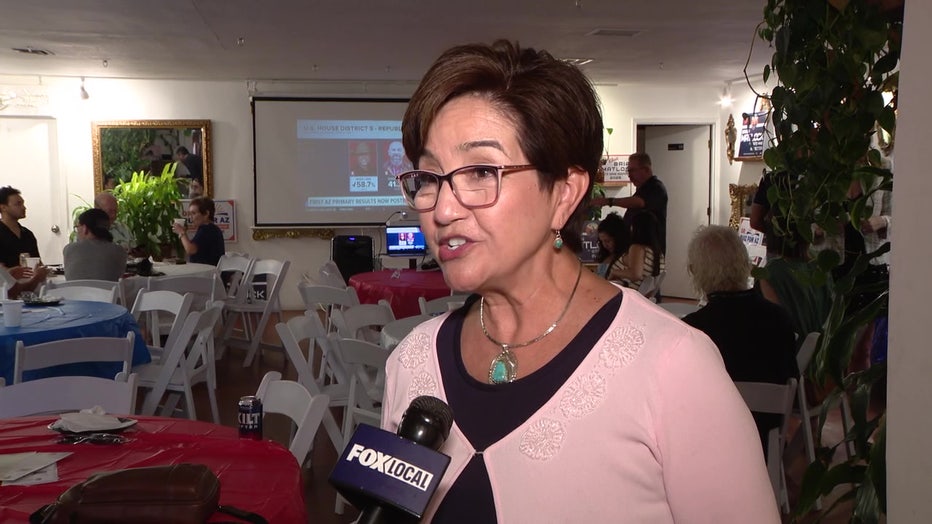
Teresa Leyba Ruiz
According to her campaign website, Leyba Ruiz is the former president of Glendale Community College, and has 35 years of experience as an educator.
On the priorities section of her campaign site, Leyba Ruiz said she will:
- End automatic approval of Empowerment Scholarship Accounting expenditures of $2,000 or less.
- Advocate for increased public school funding
- Offer guidance and best practices on AI
What happened to Tom Horne? Isn't he running for a second term?
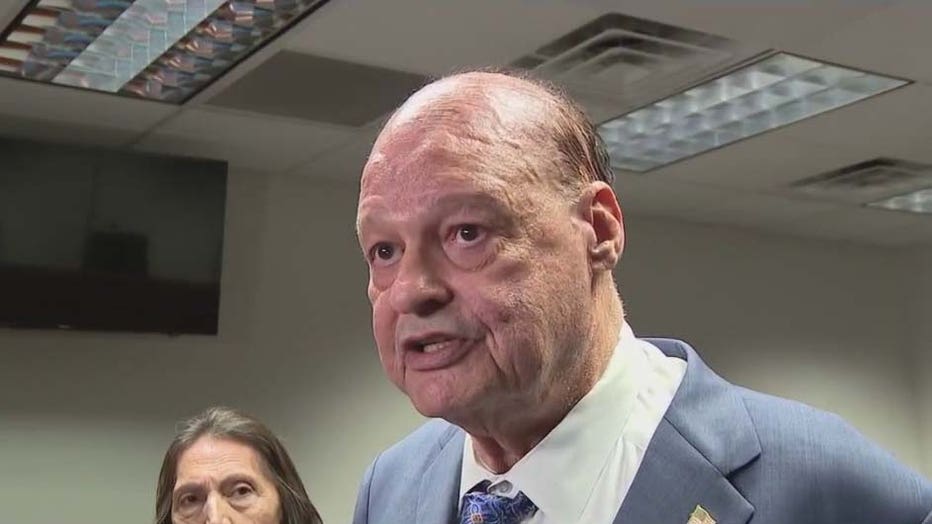
Tom Horne
Tom Horne was running for a second term as Superintendent of Public Instruction, but he was defeated by Yee in the GOP primary.
Are there other candidates in this race?
Besides Leyba Ruiz and Yee, officials with the Arizona Secretary of State's Office say there are two other candidates in this race: Gerard Davis and Stephen Neal Jr.
Gerard Davis
According to a document last revised on Sept. 9, 2026 by the Arizona Secretary of State's Office, Davis is the Green Party write-in candidate for this race.
According to his nomination paper, Davis is a 65-year-old man who lives in Phoenix. In a post made on Facebook, Davis said he worked as a case manager with both the Arizona Department of Child Safety and the state's Department of Economic Security.
What Davis Said:
"I am running because of accusations of fraud, waste, and abuse in the Empowerment Scholarship Account program and concern for the educational needs for children with developmental disabilities and children in the foster care system," Davis wrote.
Stephen Neal Jr.
Per the Secretary of State's Office, Neal is a write-in candidate for the No Labels Party. Per his nomination paper, Neal is a 55-year-old who lives in Surprise.
According to his campaign website, Neal has held various roles within the education profession, ranging from school psychologist to special education director. On the visions page of his campaign site, Neal said he will "actively cultivate innovative educational approaches that compel parents to choose Arizona's public schools for their children," while ensuring that "options for charter schools, homeschooling, and private schools remain available, all while maintaining strict academic accountability and transparency."
When is the general election?
Per the Arizona Secretary of State's Office website, the general election will take place on Nov. 3, 2026, and the deadline to register to vote in that election is Oct. 5.
What you can do:
To register as a voter, you can visit the Secretary of State's website.
The Source: Information for this article was gathered from the Arizona Secretary of State's Office, the Citizens Clean Elections Commission, the campaign websites of Teresa Leyba Ruiz, Stephen Neal Jr., Kimberly Yee, and from Gerard Davis' campaign profile on social media.