

Arizona state mine inspector candidates focus on safety, abandoned mines
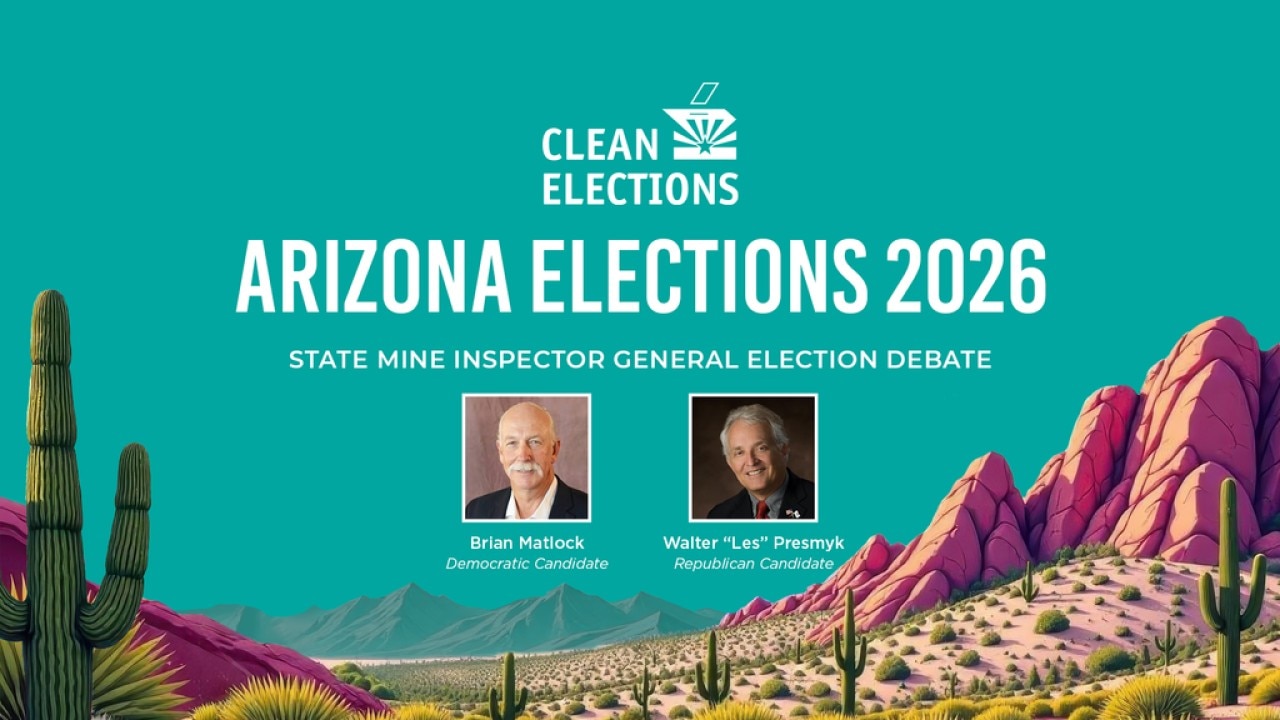
Full debate: 2026 Arizona State Mine Inspector candidates face off ahead of General Election
Republican Walter "Les" Presmyk and Democrat Brian Matlock debate for Arizona State Mine Inspector, organized by the Citizens Clean Elections Commission. Learn where each candidate stands on regulatory oversight, worker safety, and the future of Arizona's mining industry.
PHOENIX - The two candidates for the Arizona State Mine Inspector post in the upcoming general election took part in a debate on Aug. 31, and here's what to know.
Who organized the debate?
The Citizens Clean Elections Commission was the official debate sponsor.
Who are the candidates?
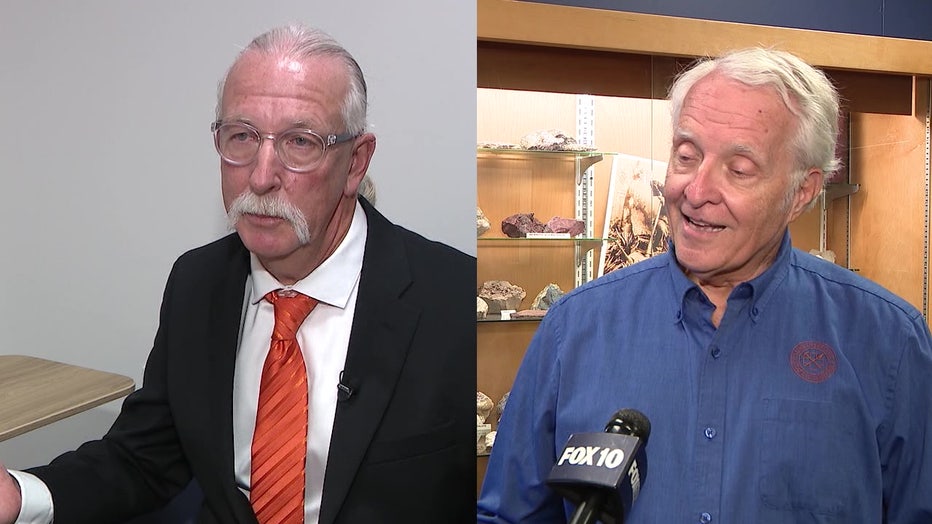
Brian Matlock (left) and Walter "Les" Presmyk (right)
The candidates are Republican Walter "Les" Presmyk and Democrat Brian Matlock.
There are no third party or independent candidates listed for this race, according to the Arizona Secretary of State's Office.
Walter "Les" Presmyk
Walter "Les" Presmyk serves as the Arizona State mine inspector. Gov. Katie Hobbs appointed him last September to fill the vacant position. Presmyk was one of seven Republican applicants for the post, and Hobbs selected him as the most qualified candidate.
A lifelong Arizonan, Presmyk spent 44 years as a mining engineer in Arizona mines, as well as coal mines in New Mexico and Colorado. His background includes 11 years in underground copper mining and 30 years with Salt River Project, where he handled all matters related to fueling generating stations across Arizona, New Mexico, and Colorado. He noted that he loves the job and emphasized that the role is centered on safety, which remains a constant point of inquiry.
Brian Matlock
Brian Matlock is running to be the next Arizona State mine inspector. Matlock attended public schools and earned his engineering degree while serving in the Marine reserves. He has worked alongside the very people the state mine inspector's office is meant to protect.
If elected, Matlock stated he will engage rural and tribal communities while working to support Arizona's $10 billion mining industry. Regarding safety, Matlock pledged to partner with miners and mining operators to ensure that workers return home without injury or distress at the end of every hard day's work. He also outlined plans to lead safety efforts by securing Arizona's more than 100,000 abandoned mines and serving as the final judge on land reclamation when it is time to close out a mine.
What does the Mine Inspector do?
Per our report on the post during the 2022 election cycle, the state mine inspector has the duty to inspect, at least once every three months, every active underground mine in the state that employs 50 or more people, and at least once each year, every other mine.
In addition, the Arizona Clean Elections Commission website states that the state mine inspector also has the authority to "suspend or close mining operations to ensure the proper safety measures are being applied."
The requirements to hold this position are extensive for a position that only pays $50,000. By statute, candidates must have at least eight years of operational and management experience in mines, including a minimum of four years within Arizona operations.
Mine Safety, Operations & Revenue
Presmyk explained that multiple safety models exist and asserted that all operating mines in the state are running safely. He noted that large copper operations have established protocols, while sand and gravel operations make up about half of the state's active mines.
According to Presmyk, copper mining generates $15 billion to $20 billion for Arizona, while total mining output reaches $35 billion. He stated this economic output is sufficient to fund the state government as well as municipal budgets across Phoenix and Tucson with remaining funds left over. Presmyk described the state mine inspector's office as educators and mentors rather than strict regulators like federal agencies.
He said inspectors visit work sites, such as truck shops, to explain unsafe conditions and demonstrate how to correct them. Presmyk added that safety is an integral component of mining alongside production. He pointed to new operations like South 32, Ivanhoe Electric, and Arizona Sonoran Copper, noting their goals of achieving zero serious accidents and zero fatalities over multi-decade lifespans by establishing safety as an initial workplace culture.
When asked how his proposed model differs from current operations, Matlock clarified that his approach focuses on internal operations within the state mine inspector's office. He proposed implementing a system of best practices modeled after ISO 9001 quality management standards to define policies and procedures for how staff carry out their jobs.
Matlock agreed that field inspections are essential for maintaining site safety, but raised concerns over Arizona's safety metrics. He noted that effectiveness is measured by lost-time days per 200,000 work hours, where higher numbers indicate worse performance.
Matlock stated that Arizona's lost-time rate is about 20% higher than the national average. He warned that higher incident rates increase the likelihood of fatal accidents and stressed the need for accurate reporting to address minor near-misses, arguing that reducing near-misses ultimately prevents fatalities.
When is the general election?
What's next:
The general election will take place on Nov. 3, 2026. The last day to register to vote is Oct. 5.
The Source: Information for this article was gathered from the Citizens Clean Elections Commission's website, as well as from the websites for Walter "Les" Presmyk and Brian Matlock. Supplemental information was gathered from a FOX 10 news article that was published on July 23, 2026.